


65104267a0bdf.png)

623449101e431.png)
62344f655cd6a.png)
6234530dc126d.png)
635a5f9527353.png)


623467164ec5a.png)

65b22b9c320ed.png)







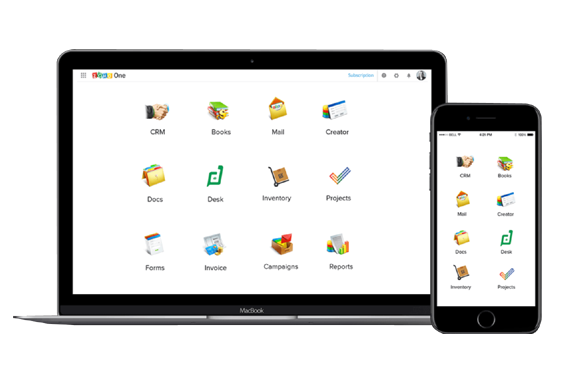
All in all, why and when do you require an ERP system? At the point when your business begins failing, lacking appropriate correspondences, or you watch you are giving additional time in printed material than in really maintaining the business, you need an ERP system. You have to set up different work processes and strategies (mechanized and manual) which could possibly be recorded formally.
Implementing an ERP system will provide discipline and order to the way employees work in a company. Higher management will have total visibility of all actions being carried out in the company, hence less chances of fraud taking place. Also, to run a vast association with various divisions and groups effectively, an ERP system will provide assistance by synchronizing all data and correspondence in the organization.
An Enterprise Resource Planning (ERP) is a system that is meant for combining the workforce and workflows of an organization into one system for better serving the needs of the company. It is intended to enable organizations to settle on more intelligent choices, serve their clients better, and work all the more effectively generally automating and streamlining procedures and work processes.
The main advantages of an ERP system solutions are - it reduces costs, adds visibility, improved reporting and planning, enhanced Efficiency, better client service, information security and quality, enhanced collaboration and workflows.
1. Scaling up your business? Do it right with ERP. 2. Ensure transparency throughout your organization with ERP. 3. Too many processes to handle? Consider integrating them all. 4. Easy access to information through business automation. 5. Make your business accounting and financial reporting simple. 6. Make customer satisfaction your priority with ERP.
ERP software can help an accounting department process, record, and manage accounts payable, accounts receivable, and payroll, and then process that information into meaningful information. With the capability to categorize, sort, review, and forecast, the accounting department can deliver financial reports and forecasts that are easily processed by stakeholders and can be leveraged to make changes and amendments that can provide the business with a more lucrative future financial plan.